SADR STONE · Architecture journal
What is exposed concrete?
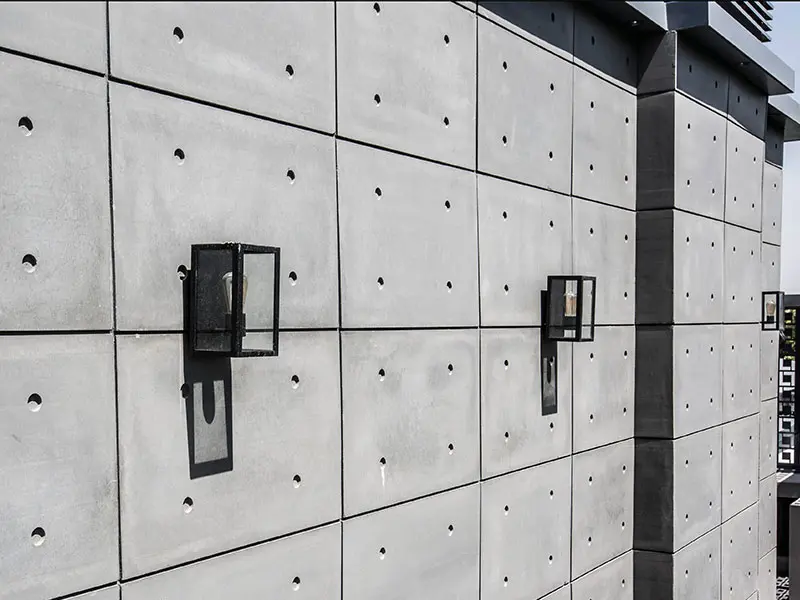
Exposed concrete is concrete used as the visible final surface rather than hidden beneath plaster, paint or another cladding. Its texture, panel rhythm and restrained colour can support modern, minimal or industrial architecture. Surface appearance is an explicit design requirement, not evidence by itself of structural performance.
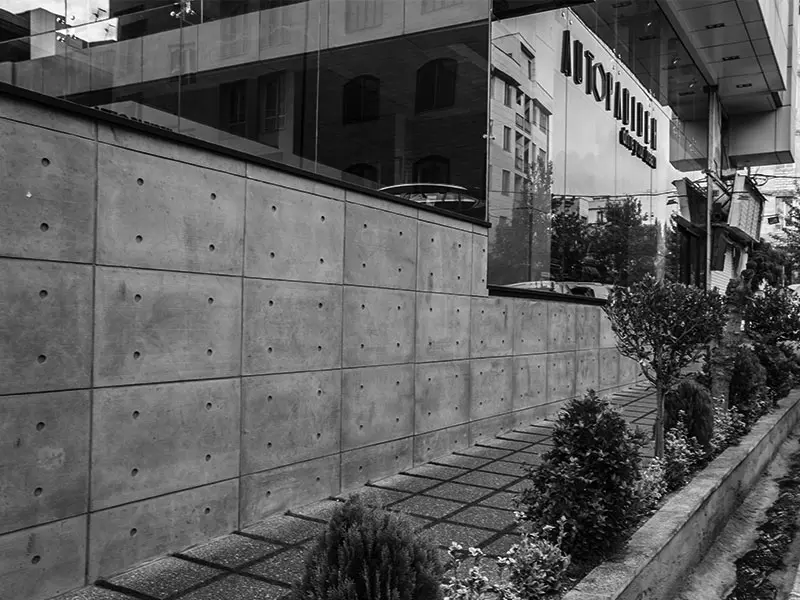
On a façade, concrete tiles may cover a broad elevation or define an entrance, feature wall or selected volume. Sun, rain, temperature changes and pollution influence the choice of finish and detailing. Approve the selected model for the actual exposure and fixing system.
Neutral concrete colours can work with timber, glass, metal, brick and decorative stone. A coherent design does not need many competing finishes. Set the main surface, secondary texture and accent areas in relation to the building's proportions and openings.
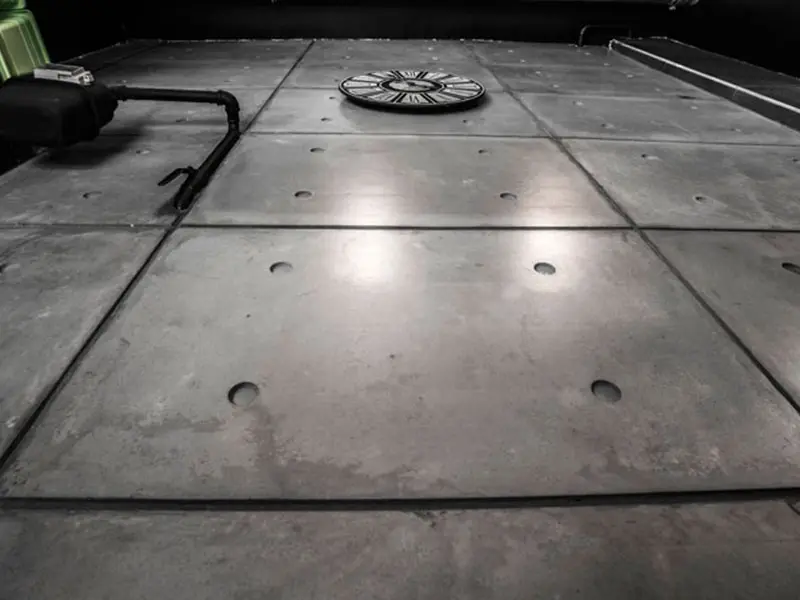
Inside, a concrete feature wall can frame a television area, workspace, reception or meeting room. Cafés, restaurants, shops and galleries may use it to establish a visual identity. The position of shelves, sockets and signs should be coordinated with panel joints before installation.
Wood introduces a warmer visual rhythm beside concrete. Sadr Stone's wood-effect concrete offers a cement-based interpretation of timber grain, not natural thermowood. Real wood and a concrete imitation differ in touch, weight and fixing, so assess them separately for the intended location.
Decorative stone adds relief and shadow. It can mark an entrance, courtyard wall, lobby or an approved fireplace surround. A textured accent beside a quieter concrete field can create depth without covering every surface in the same pattern.
Architectural brick provides another scale and colour range. It can connect a contemporary concrete composition with a more traditional or rustic atmosphere, particularly in hospitality and residential interiors. The proportion of each material is as important as the choice itself.
Tile size, orientation and joint width change the result. Larger formats can create a calmer rhythm, while small or strongly patterned units add detail. Check a sample at the intended viewing distance. Screens do not replace approval of real colour and texture.
Lighting is part of the material specification. Grazing or linear light emphasises relief, pores and joints. Diffuse daylight gives another reading of the same surface. Test the proposed light on the mock-up rather than adding it after the finish has been selected.
Installation quality determines whether the design is realised. Prepare and approve the substrate, use the specified fixing materials, maintain the joint layout and coordinate movement and water management. Floors, wet areas, high façades and overhead locations need their own technical review.
Sadr Stone's four product families on this website are exposed concrete, decorative stone, architectural brick and wood-effect concrete. Their galleries, product descriptions and project examples help compare options. Price and availability are confirmed through a quotation for the chosen model and quantity.
For a useful enquiry, send the project location, intended application, drawings or dimensions, preferred finish and estimated area. The next step is a physical sample and written specification, followed by an agreed installation and maintenance plan.
Selection and ordering guide
Sadr Stone editorial team
What is exposed concrete? English terminology
Exposed concrete is concrete whose surface forms part of the final architectural appearance. Architectural Concrete emphasises the architectural quality of that surface. Precast Concrete Panels describes panels manufactured before installation. A precast facing tile is not automatically a load-bearing component and must not be treated as one without design approval.
Exposed-concrete mix design and quality control
There is no universal recipe for every exposed-concrete product. Cement, aggregate, water and selected admixtures need trial mixes appropriate to the thickness, mould, production method and intended performance. Surface quality also requires control of mould preparation, compaction and curing. An online recipe does not replace samples, testing and technical approval.
Exposed-concrete limitations before purchase
Before buying, review panel weight, handling of edges, colour variation between production batches and the visibility of repairs on the finished face. Staining and cleaning depend on the surface and protective treatment. The exposed-concrete label does not make a product suitable for every façade, floor or climate. Base the decision on a mock-up, maintenance instructions and the selected model’s technical data.
General educational references, not product certification