SADR STONE · Architecture journal
A short history of exposed concrete
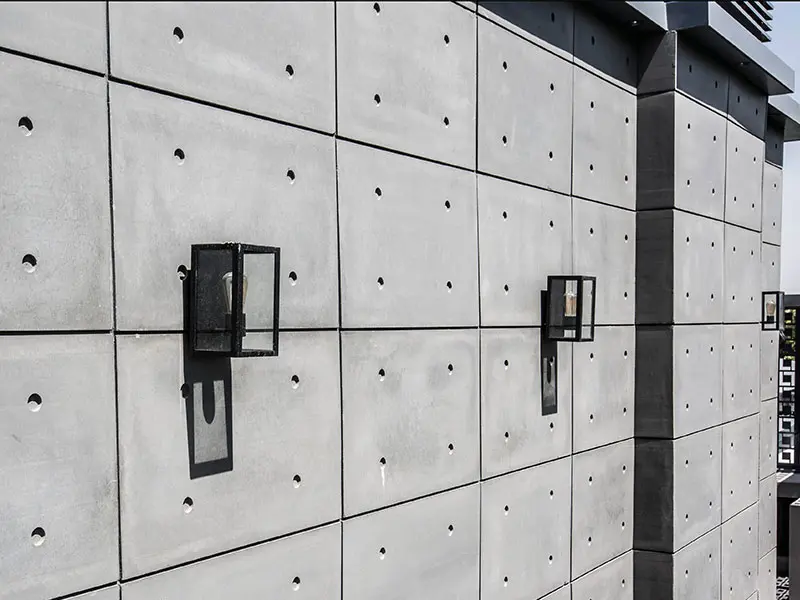
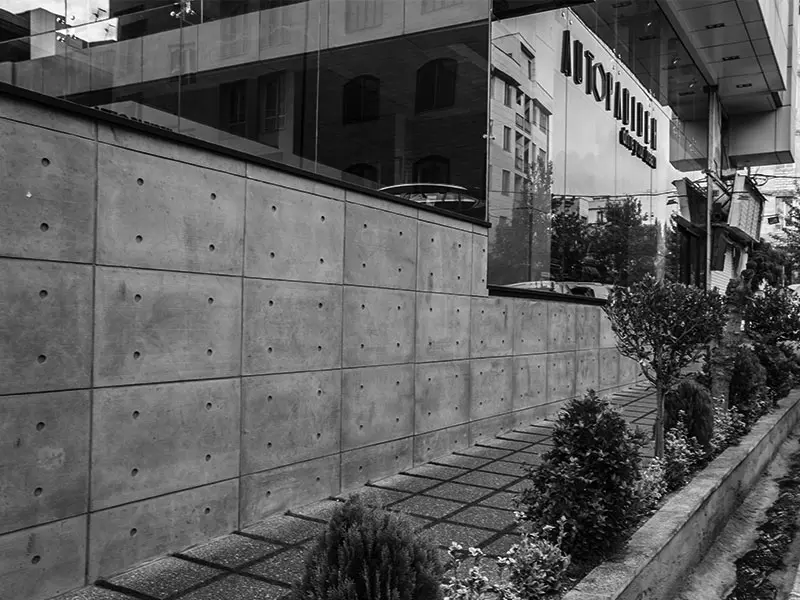
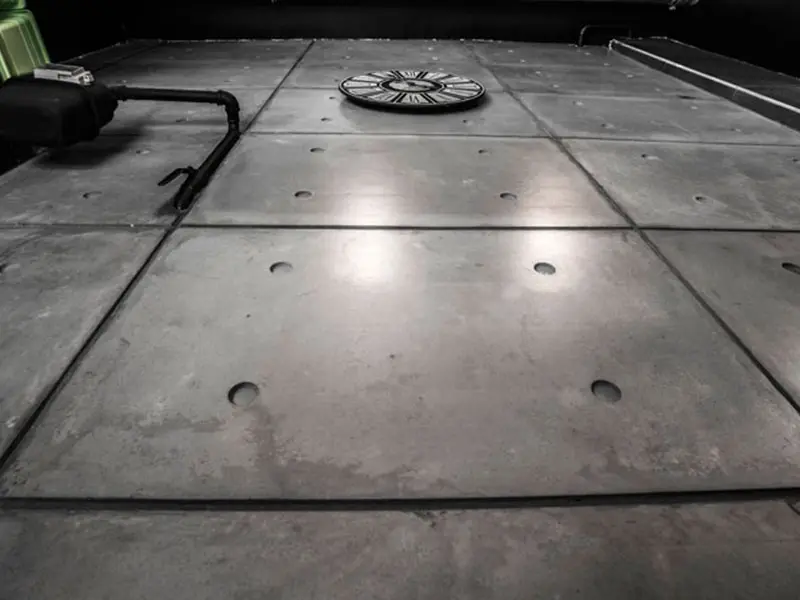
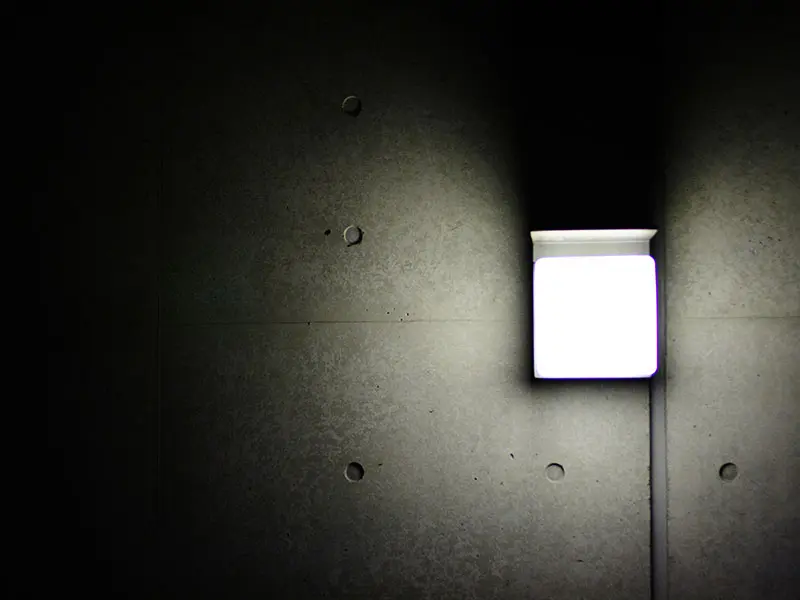
Exposed concrete is concrete deliberately left visible as the final architectural surface. Its history includes both cast-in-place structures and factory-made façade panels. These are related approaches, but their production and installation are different.
The company's historical archive follows the wider use of precast façade cladding after the Second World War, particularly during the late nineteen-forties and nineteen-fifties. Reconstruction encouraged repeatable components, controlled production and shorter building programmes. Belgium is one of the European examples discussed in that archive.
During the nineteen-sixties, architectural precast concrete developed beyond simple covering panels. Form, aggregate, colour and surface texture became design tools, sometimes combined with structural functions in purpose-designed elements. Decorative tiles should not be confused with these engineered structural components.
The archive also describes the growth of technical recommendations during the late nineteen-sixties and nineteen-seventies. Earlier production knowledge was often held within individual companies and laboratories. Wider industry guidance helped communicate manufacturing and performance requirements.
Factory production offered control over moulds, curing and repeatability, while improvements in vibration and lifting equipment supported larger-scale manufacture. Economic benefits depended on repetition, transport and installation rather than on concrete being universally cheaper.
Today exposed concrete ranges from small facing tiles to large architectural elements. Selecting a system requires a sample, dimensional information, a fixing strategy and an understanding of the intended environment. The historical account explains the development of the material, rather than specifying how every contemporary product should be installed.