SADR STONE · Architecture journal
The role of exposed concrete in architecture
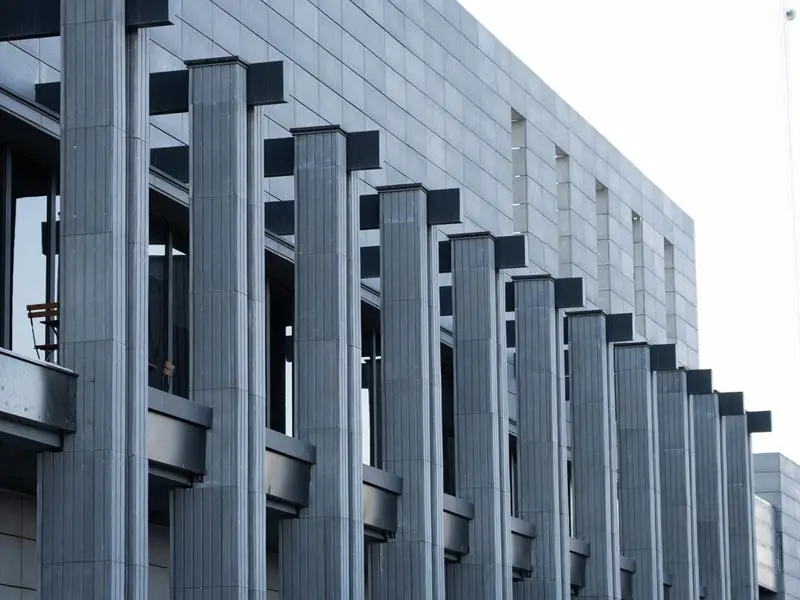
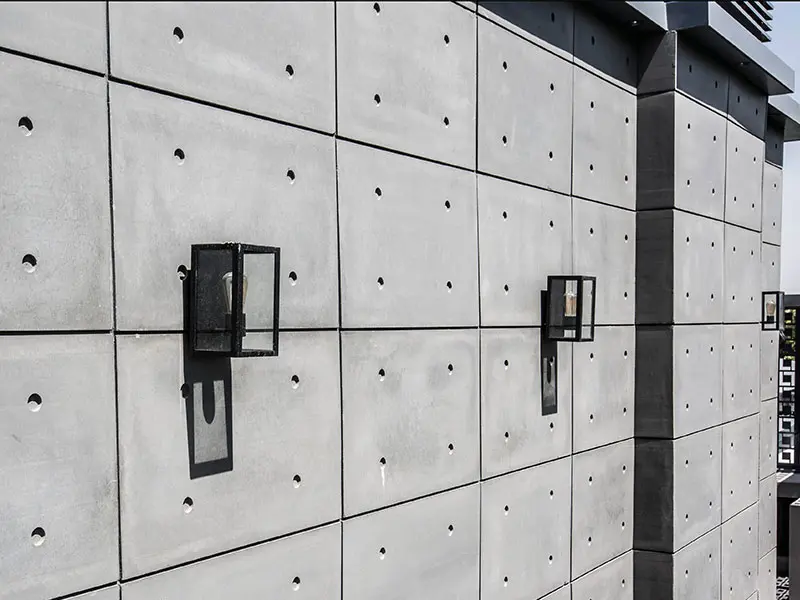
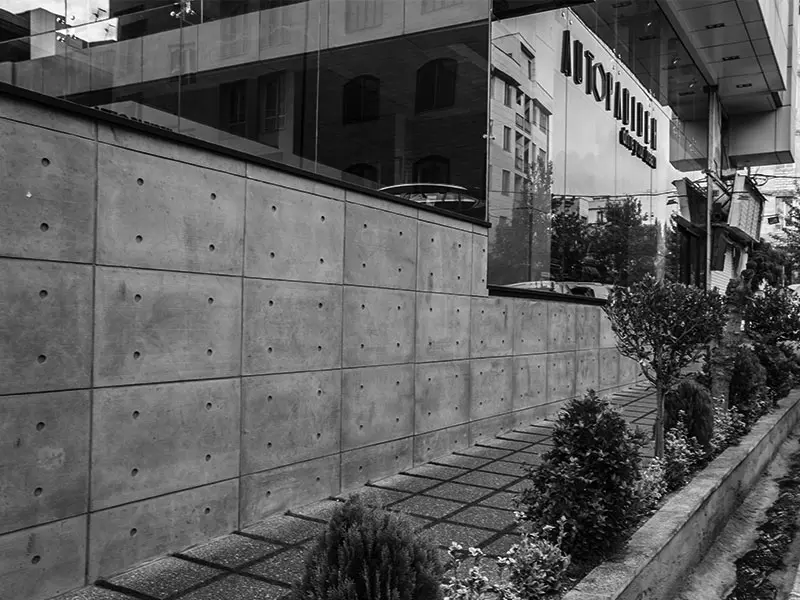
Exposed concrete has an important place in modern architecture and in approaches associated with minimalism and brutalism. Its visible material, restrained colour and clear construction rhythm can give a building a strong identity without relying on applied ornament.
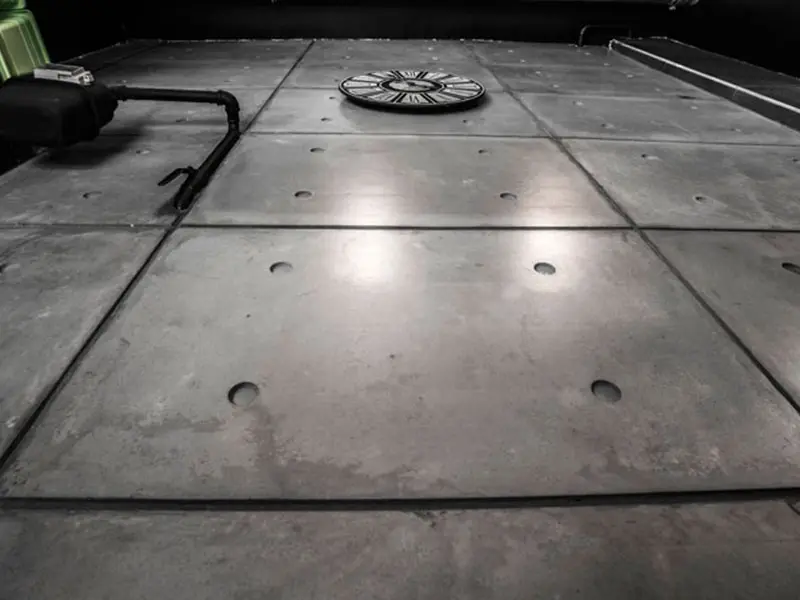
The architectural effect begins before installation. Aggregate and binder selection, water content, clean moulds, compaction and curing influence the face. Formwork joints and tie-hole patterns should be designed rather than left to chance. Repairs may be possible, but their appearance needs prior agreement.
Homes, villas, offices, galleries and cultural buildings use concrete in different ways. A façade panel, interior wall tile, floor finish and structural ceiling are separate specifications. The choice must match the loads, exposure and maintenance requirements of each location.
Light is part of the design. Grazing illumination brings out relief and pores, while diffuse light can make the same surface appear quieter. Coordinate daylight and artificial lighting with the sample, adjacent timber, glazing, metal and furniture.
Stains, efflorescence and colour variation can arise from several causes, including moisture paths, production variation and cleaning. Their cause should be investigated before a treatment is chosen. Not every visual mark demonstrates a structural defect.
A successful project coordinates design, manufacture and installation. Set expectations with a mock-up, protect the surface during construction and define a maintenance plan. The material's architectural character is strongest when supported by this practical care.