SADR STONE · Architecture journal
Exposed concrete and honest material expression
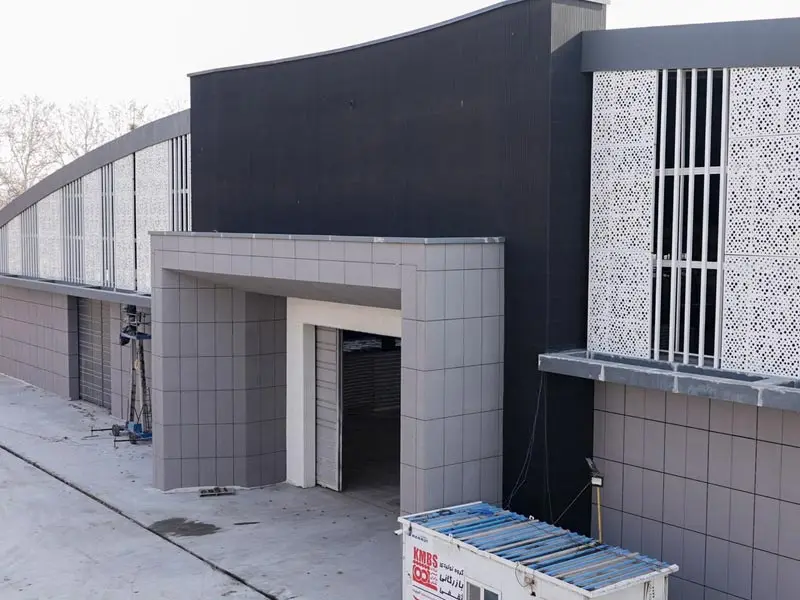
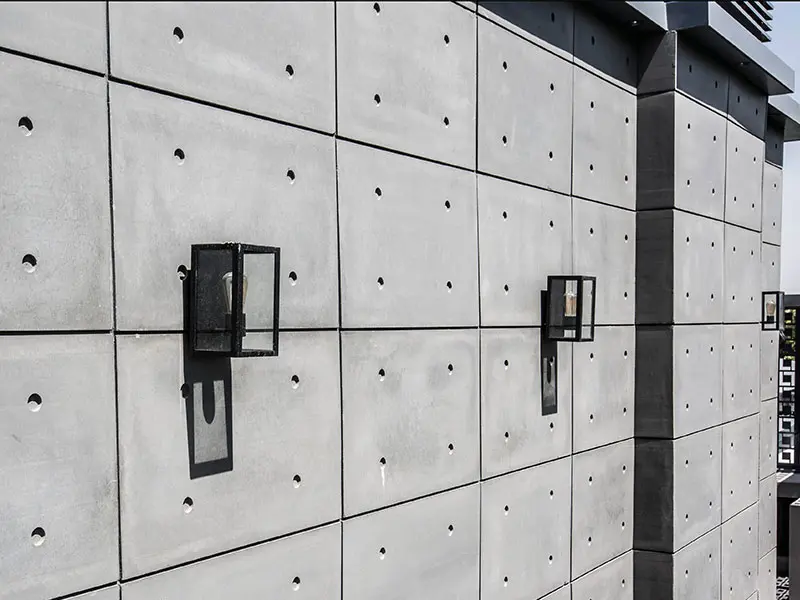
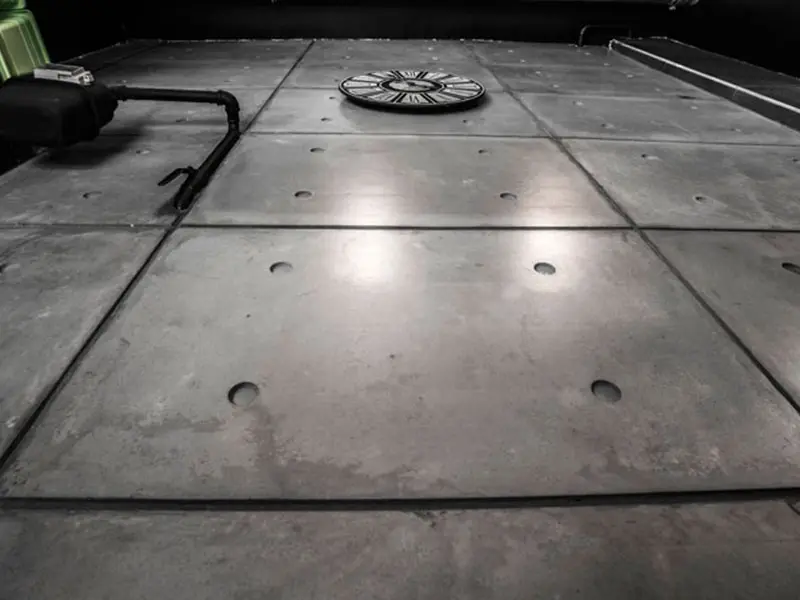
Exposed concrete is often described as an honest material because the visible finish reveals the concrete itself. Mould marks, joints and texture can become part of the architectural composition rather than features to conceal beneath another covering.
This does not mean that all ordinary concrete is unsuitable for exposure or that every exposed mix is inherently superior. The difference is the explicit architectural requirement for the visible face. Mix design, mould condition, placing, compaction and curing must support the agreed result.
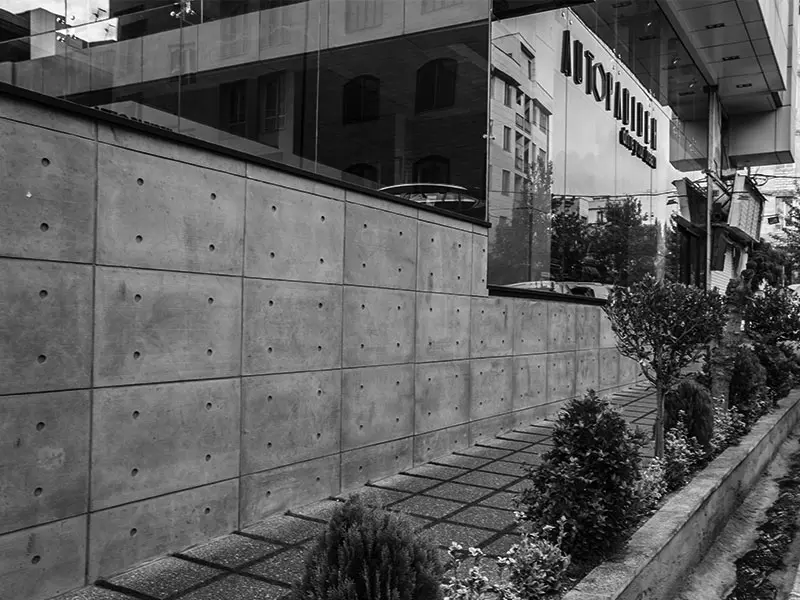
Concrete's restrained appearance can work with timber, glass and metal. It is used in façades, feature walls, lobbies, stairs and landscape settings when the selected system suits the application. Visual continuity across those settings does not remove differences in technical requirements.
Factory-made tiles offer control and repetition before delivery, while cast-in-place work offers a different relationship to structure and form. Each has advantages and constraints. Transport, joints and fixing matter for precast units, and site formwork and placing conditions matter for cast work.
A durable result needs appropriate detailing and maintenance. Staining, weathering and colour change are possible, so the material should not be advertised as never ageing. Decide whether the expected patina suits the design and establish suitable cleaning and repair methods.
Sadr Stone presents its products and project images to support that selection. Approve a sample and written order details so the idea of material honesty is matched by clear, verifiable expectations.