SADR STONE · Architecture journal
Designing walls with decorative stone
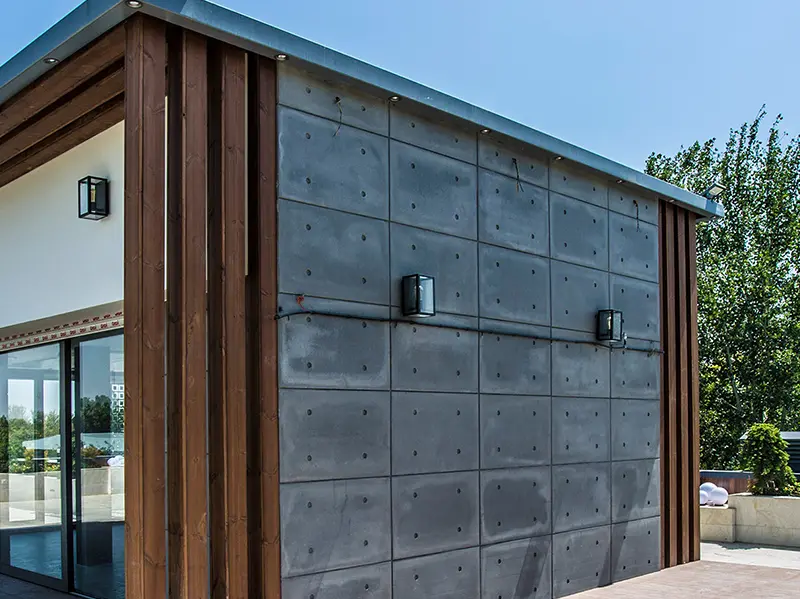
Decorative stone gives a wall a distinctive texture, rhythm and colour. Natural stone and moulded cement-based stone are different material families, but both can be used to develop a coherent architectural composition when the selected product suits the application.
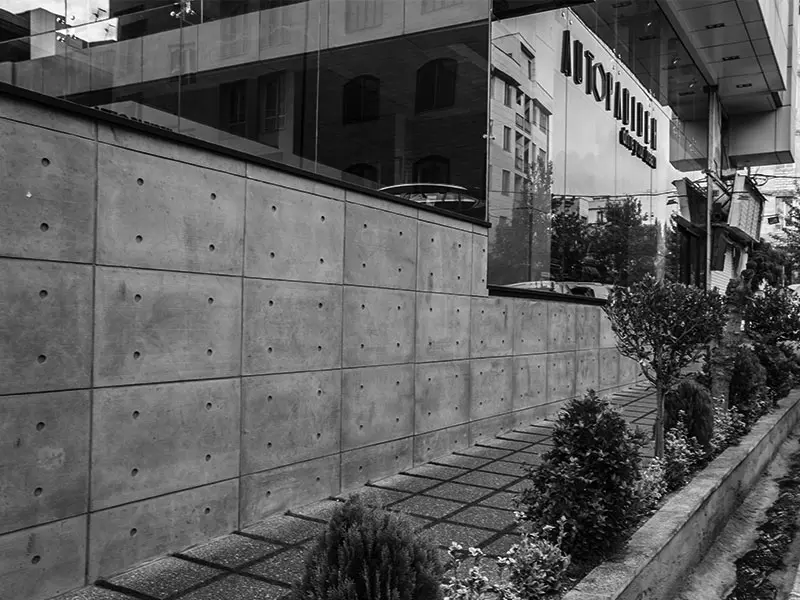
Typical settings include living rooms, stairwells, entrance walls, façades, cafés and restaurants. Regular layouts emphasise order, while irregular pieces produce a more varied surface. The perceived size and warmth of a room also depend on light, proportions and the surrounding finishes.
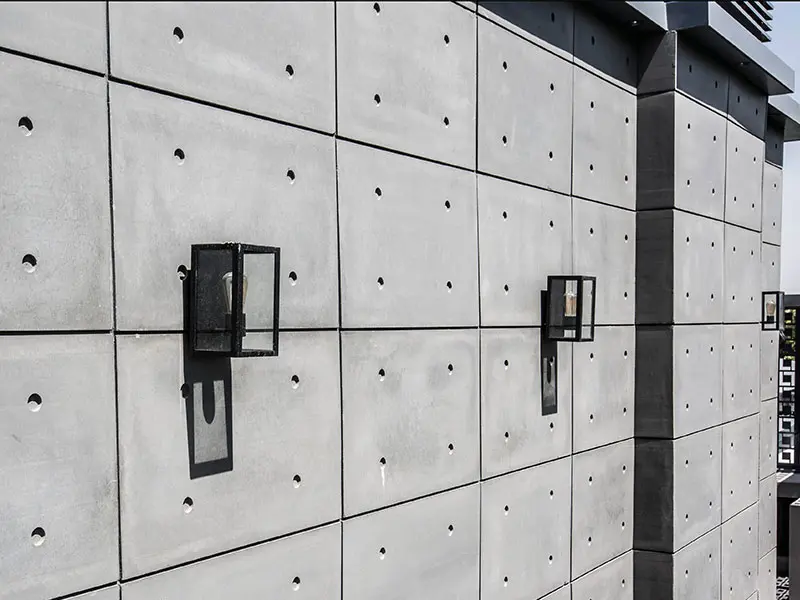
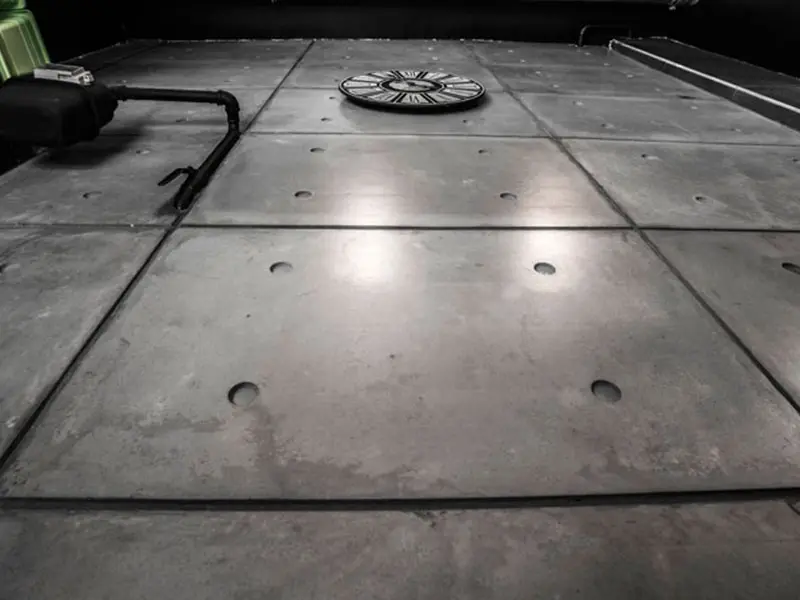
Moulded concrete offers scope for repeated shapes, different colours and smaller manageable pieces. Special grooves or openings may be possible during manufacture, but service routes and fixing details require product-specific agreement. Do not cut or drill an element without checking its permitted treatment.
Compare manufactured and natural stone using the actual specification. Neither is universally stronger, more durable or less expensive. Cement-based products still consume raw materials and energy, so environmental performance should be assessed through production, transport, service life and potential reuse.
Before ordering, set out corners, door openings, joints and transitions to other materials. Review the substrate and fixing system, confirm a physical colour sample and allow for cutting and spares. A larger installed sample helps reveal the overall pattern more reliably than a single loose piece.