SADR STONE · Architecture journal
Concrete façades in cold climates
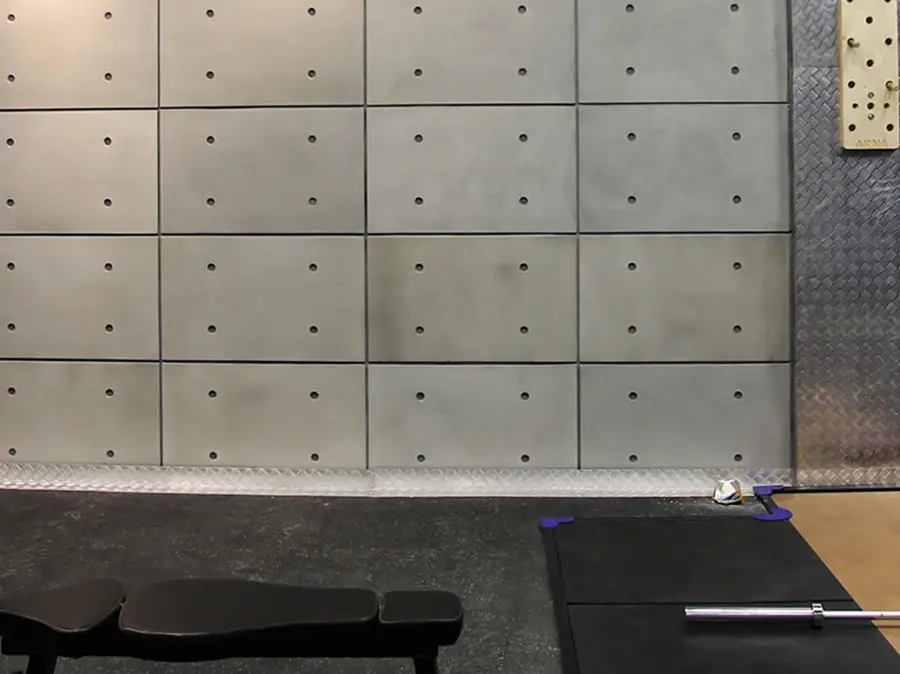
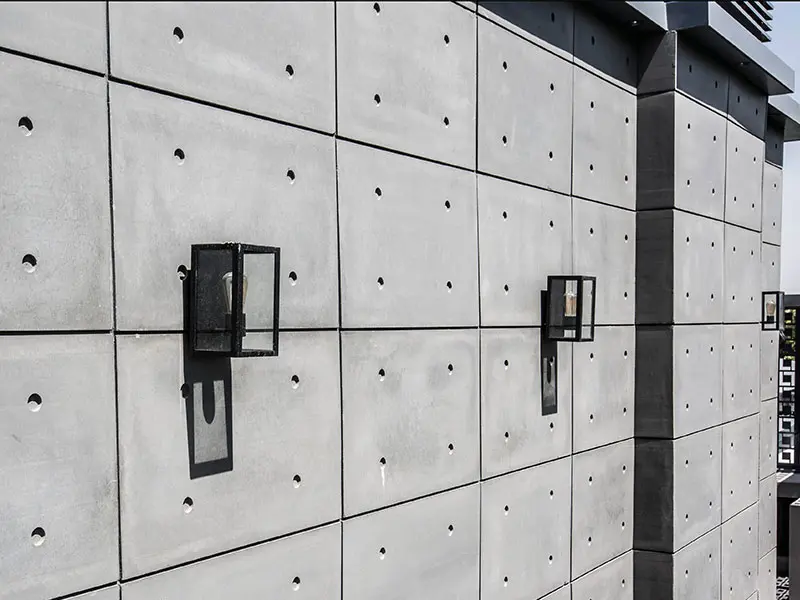
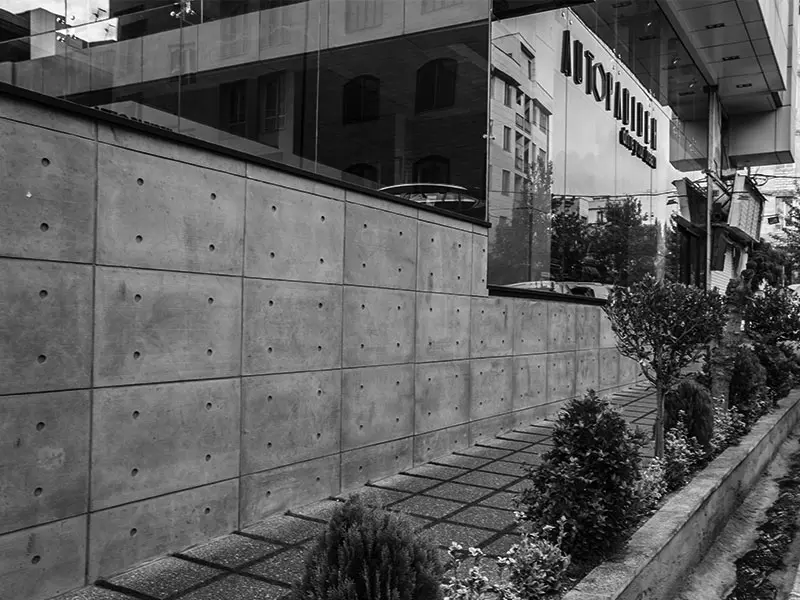
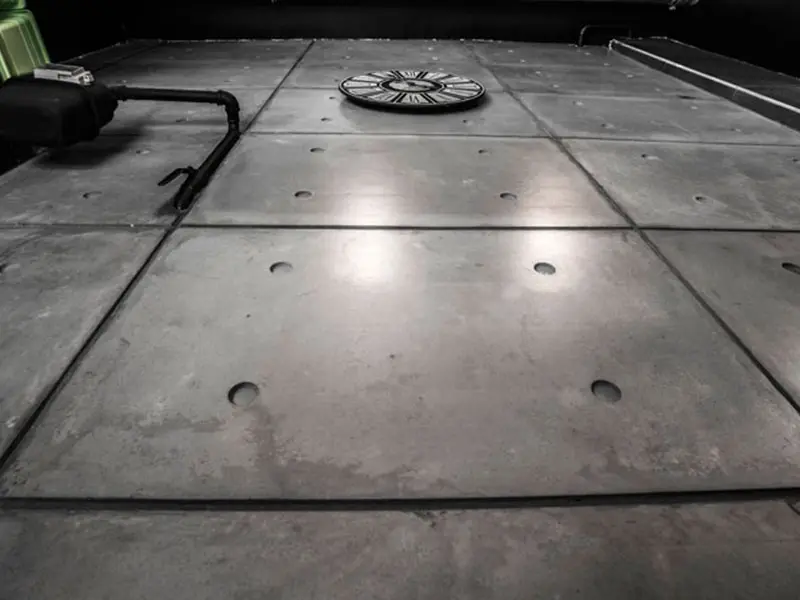
A cold-climate façade or floor must be specified as a complete system. Begin with the location and exposure: vertical cladding, horizontal paving, sheltered areas and water-saturated surfaces face different demands. Review the tile, substrate, adhesive or mechanical fixing, joints and drainage together.
Freeze–thaw damage is linked to moisture and the properties of the material. Frost suitability must be supported by product-specific evidence. A surface treatment may reduce water uptake, but it should not be described as making absorption zero or guaranteeing immunity to every winter condition.
Ground movement is another issue. Frost heave and thaw settlement can stress exterior paving if the supporting layers are unsuitable. Façades also experience thermal movement. The solution is an appropriate foundation or substrate and movement design, not expecting a rigid tile to absorb unlimited displacement without cracking.
Exterior floors need consideration of wet or icy slip, abrasion and any de-icing products used. A wall tile is not automatically a paving tile. Confirm the intended application and compatible maintenance products.
Before ordering, request the model specification, exposure limitations and fixing details. Plan water shedding, joints and installation conditions. Keep water away from vulnerable interfaces and inspect the completed work seasonally. Good selection reduces risk, but no generic material name is a blanket frost guarantee.