SADR STONE · Architecture journal
Artificial stone panels: selection and use
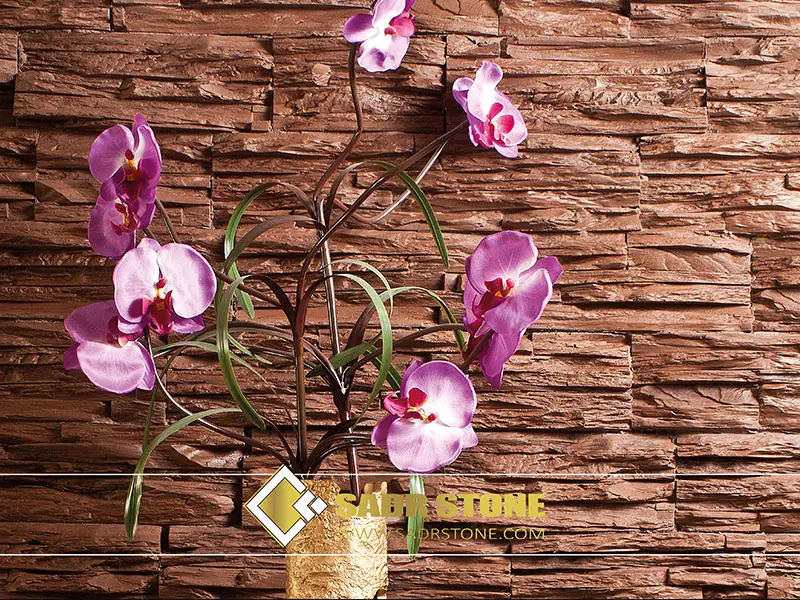
Artificial stone is a broad label, not a single specification. Cement-based decorative stone, resin-bound materials and lightweight polymer panels may all imitate natural stone, but their weight, fire behaviour, weather resistance and fixing requirements differ. Confirm the actual composition before comparing products.
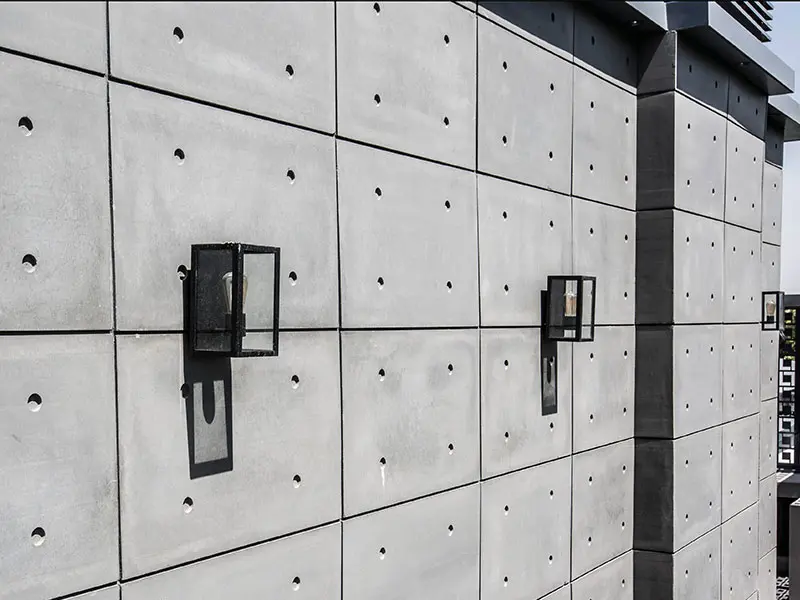
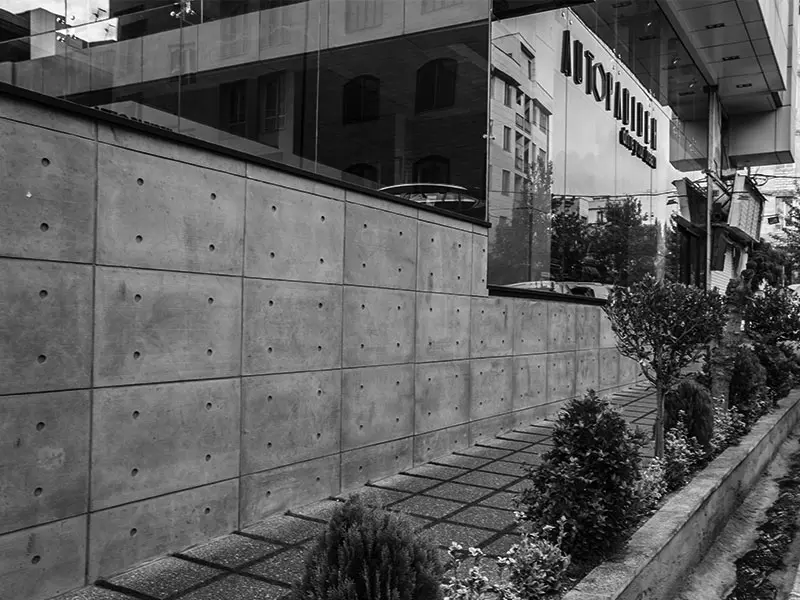
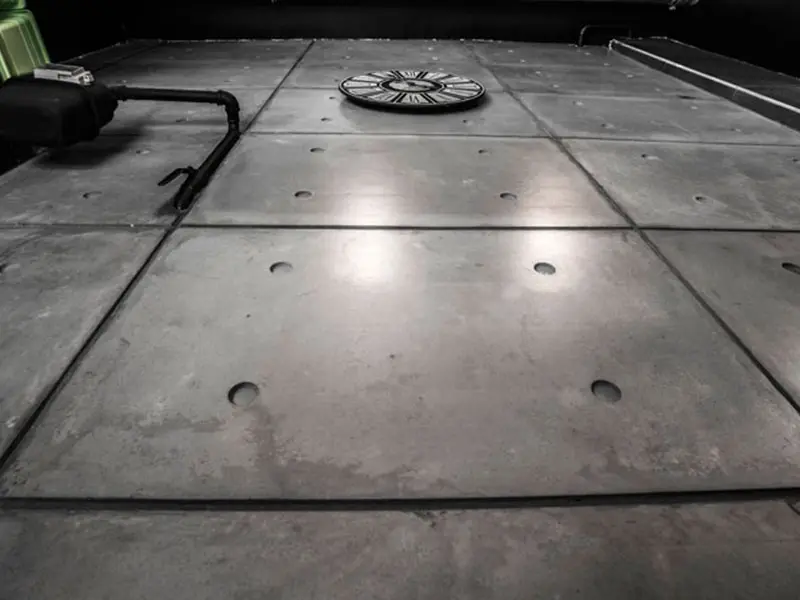
Moulded panels and individual pieces provide different colours, textures and patterns for living rooms, reception areas, bedrooms or selected exterior surfaces. Choose the scale and joint arrangement in relation to the room or façade, and approve a physical sample rather than relying only on photographs.
The archive also discusses polyurethane panels. Claims about their light weight or installation must not be transferred to cement-based Sadr Stone tiles. Nor should any artificial-stone product be described as universally crack-proof, weatherproof or suitable for unsupervised installation.
Assess the substrate, panel weight, permitted fixings, corners, moisture exposure and maintenance. Exterior or overhead work needs an approved design and competent installation. Compare the complete installed cost, including preparation and accessories, and obtain written product instructions before ordering.