SADR STONE · Architecture journal
Why visible concrete needs quality control
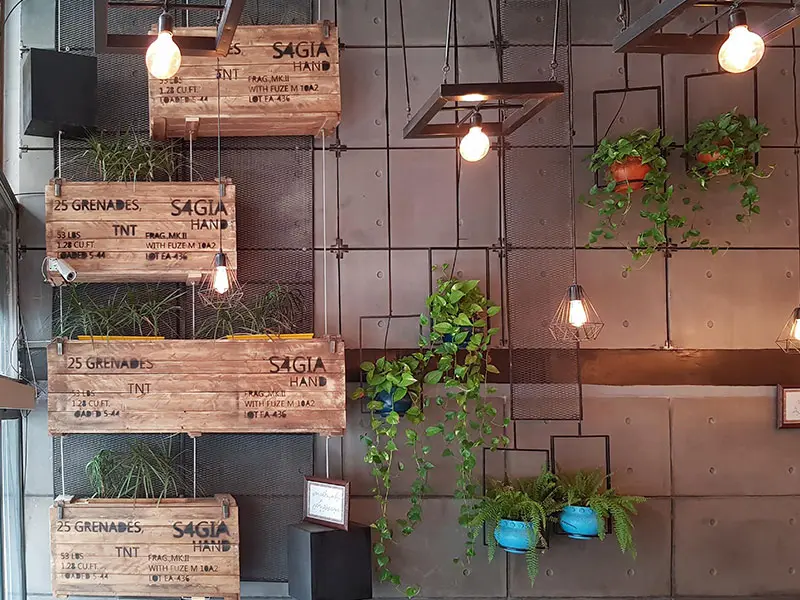
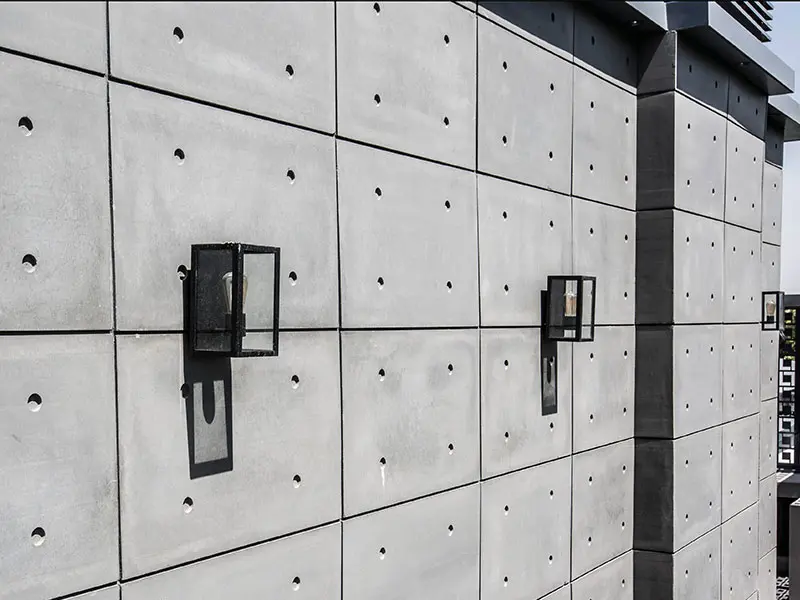
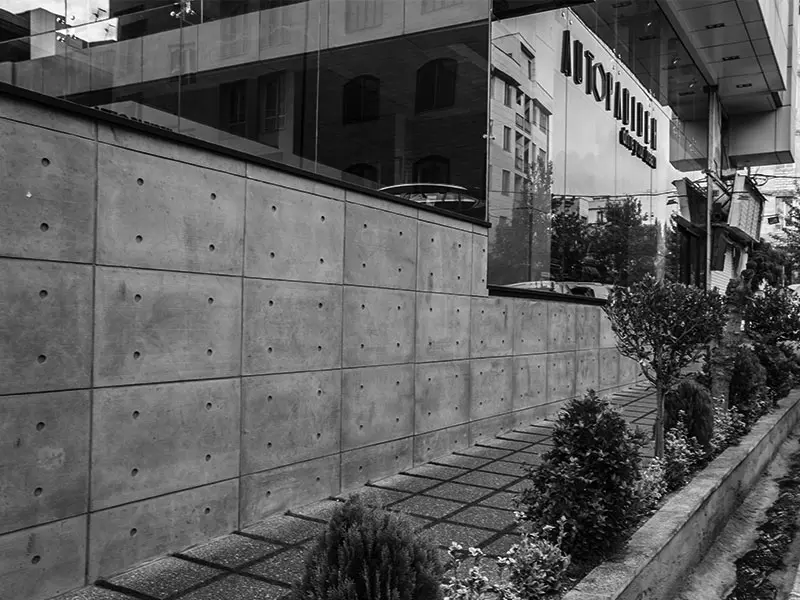
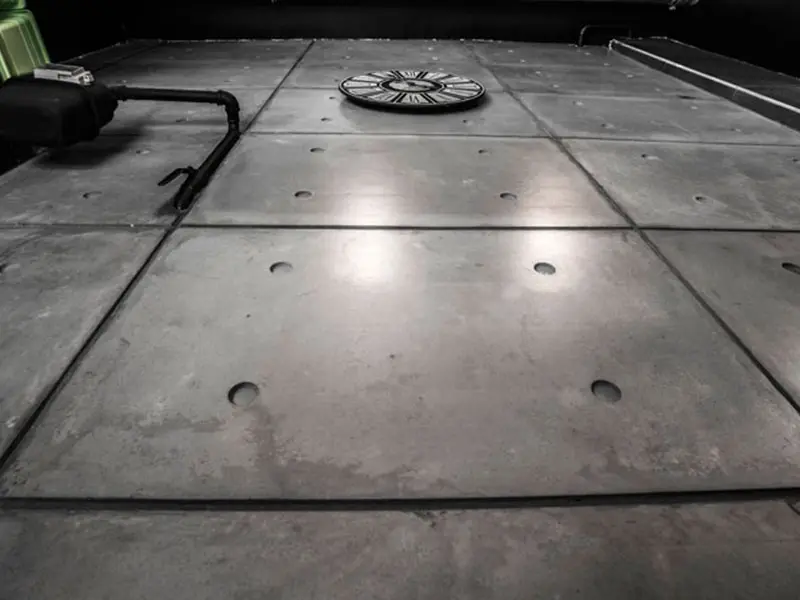
A visible concrete finish makes workmanship part of the architecture. Formwork marks, joints, pores, colour variation and repairs remain on view instead of disappearing beneath plaster or paint. That visibility is one reason architects value the material, but it also makes advance agreement about appearance essential.
The archive discusses the influence of modern architecture in South Asia, including Le Corbusier's work and later architects' interest in unadorned concrete. Its central argument is that specifying an exposed surface can encourage closer attention to construction quality.
Visibility alone, however, does not prove structural quality. A good-looking face cannot substitute for mix control, reinforcement inspection, curing and the tests required for the element. Conversely, minor cosmetic variation does not automatically mean the concrete is structurally deficient.
Architectural acceptance should therefore use a representative sample or mock-up. Agree on colour range, permissible pores, joint positions and repair methods before production. Factory-made tiles need consistent moulding, handling and protection as well as a sound installation substrate.
The archive mentions potential material and space savings in particular projects. These are project-specific outcomes, not a general promise of lower cost or thinner walls. The useful lesson is to treat exposed concrete as a coordinated design and quality-control decision from the beginning.